Be ready for what comes next
How prepared is your household?
Find your preparedness gaps and get a personalized plan for what to do next. No bunkers, no doom — just practical steps for when normal life stops being normal.
10 categories · 31 questions · about 10 minutes
Why preparedness matters
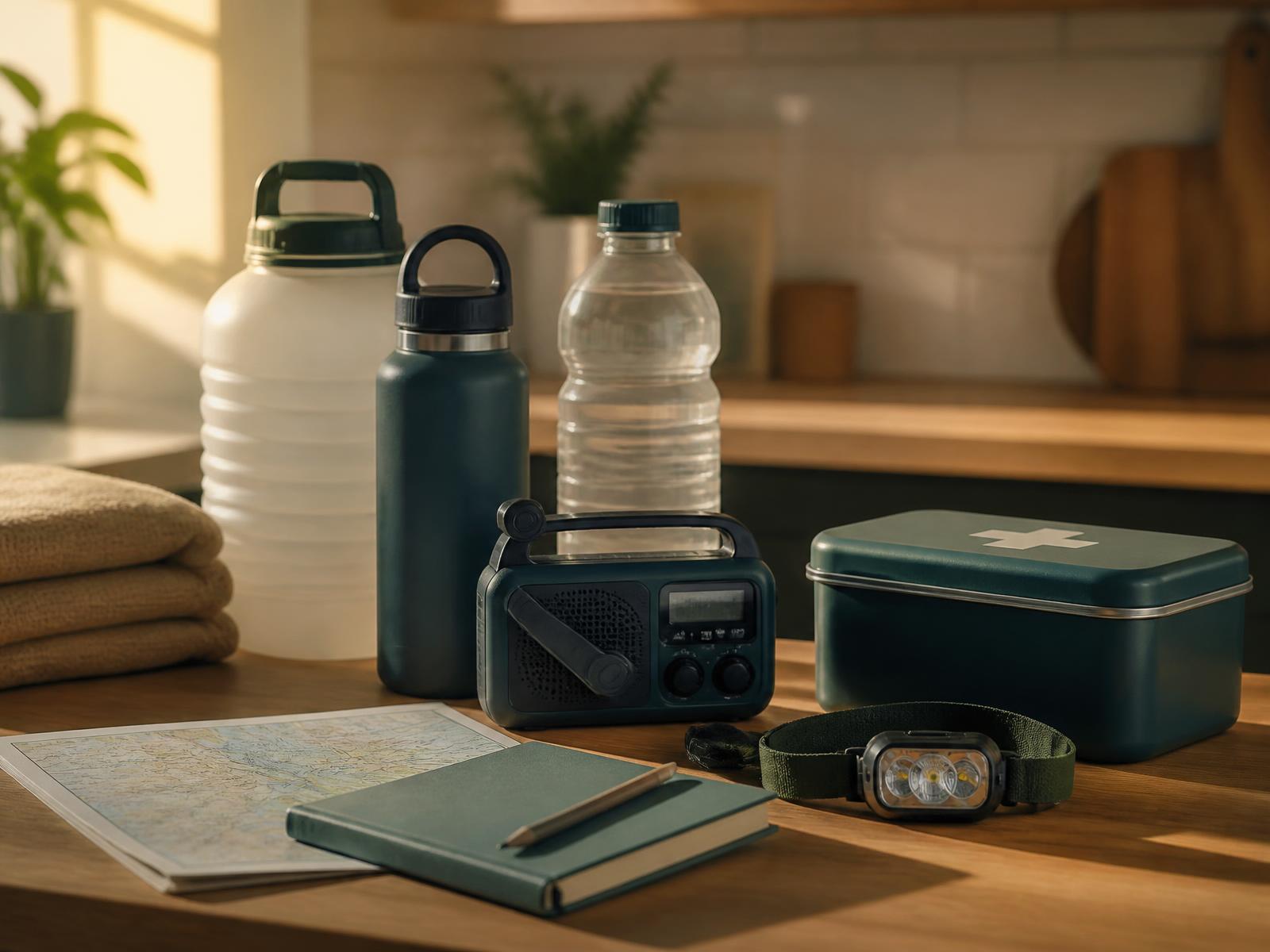
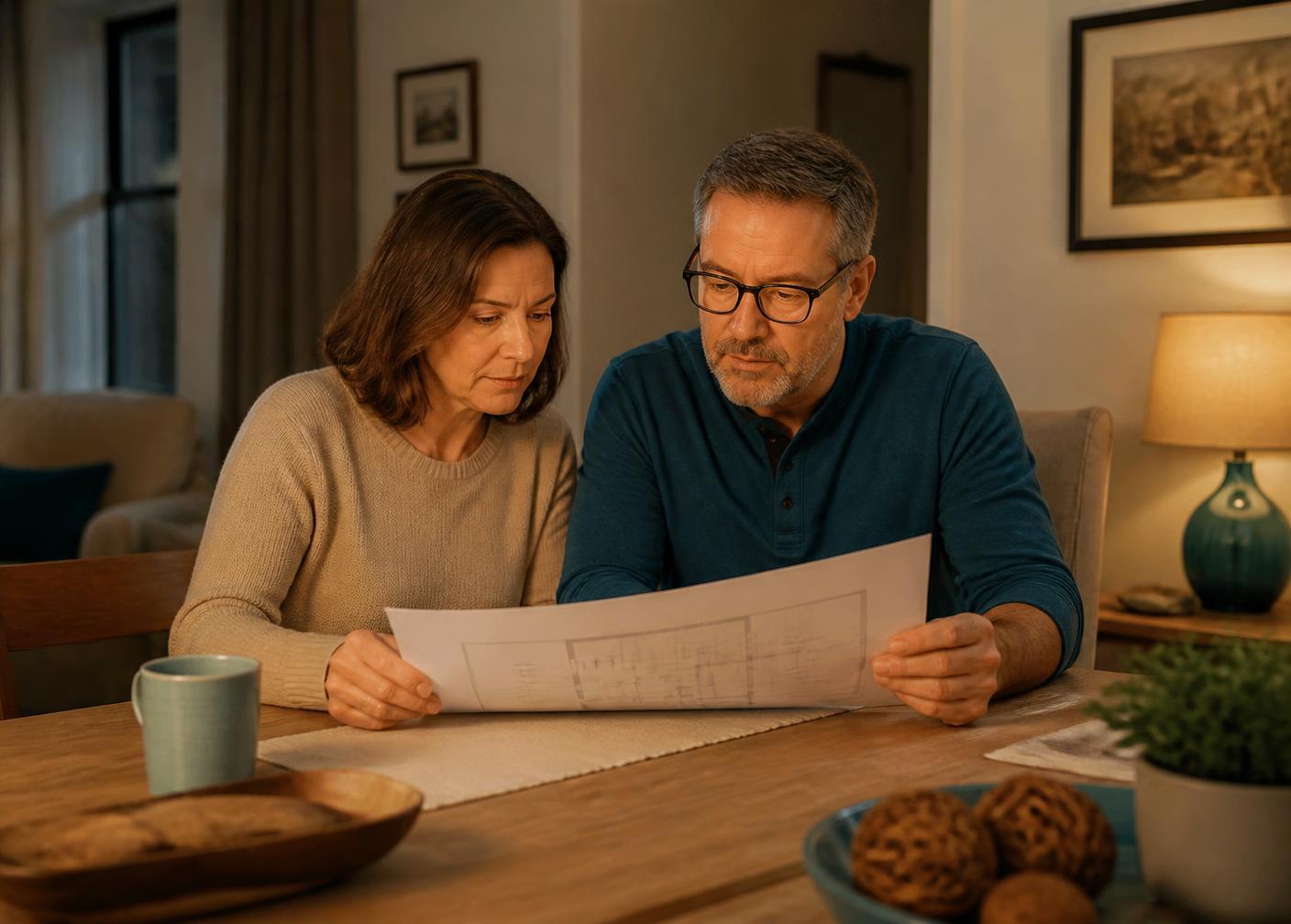
Preparedness isn't about expecting the apocalypse.
It's about the storm that takes the power out for four days. The card terminals that stop working. The evacuation notice at 11pm. Ordinary disruptions that get much easier when a few decisions were already made.
- Most households have some supplies and no plan.
- The gap between 'I should' and 'I did' is where preparedness fails.
- Small actions, done in order, move the needle fastest.
How the assessment works
Know what you're prepared for. Know what you're missing.
Answer a few questions
A short assessment about your household and what you already have. Ten minutes, no jargon.
Get your preparedness score
One number, plus a score for each of ten categories, so you can see exactly where you stand.
Work through your plan
Three to five specific next actions, each with a guide, a time estimate and a score you can move.
Preparedness categories
Ten areas. One clear picture.
Making Progress
Example dashboard
You're 57% prepared. Your weakest area is backup power.
Here's the next thing you should do. It takes about 45 minutes. Here's exactly how.
Featured resources
Start with the highest-value guides
On Survival
Know. Prepare. Survive.
ON SURVIVAL turns preparedness from something you read about into something you work through. Your score, your gaps, your next action — in one place, on any device.
Take the Free Assessment